
Testing & Maintenance
COMMERCIAL & RESIDENTIAL
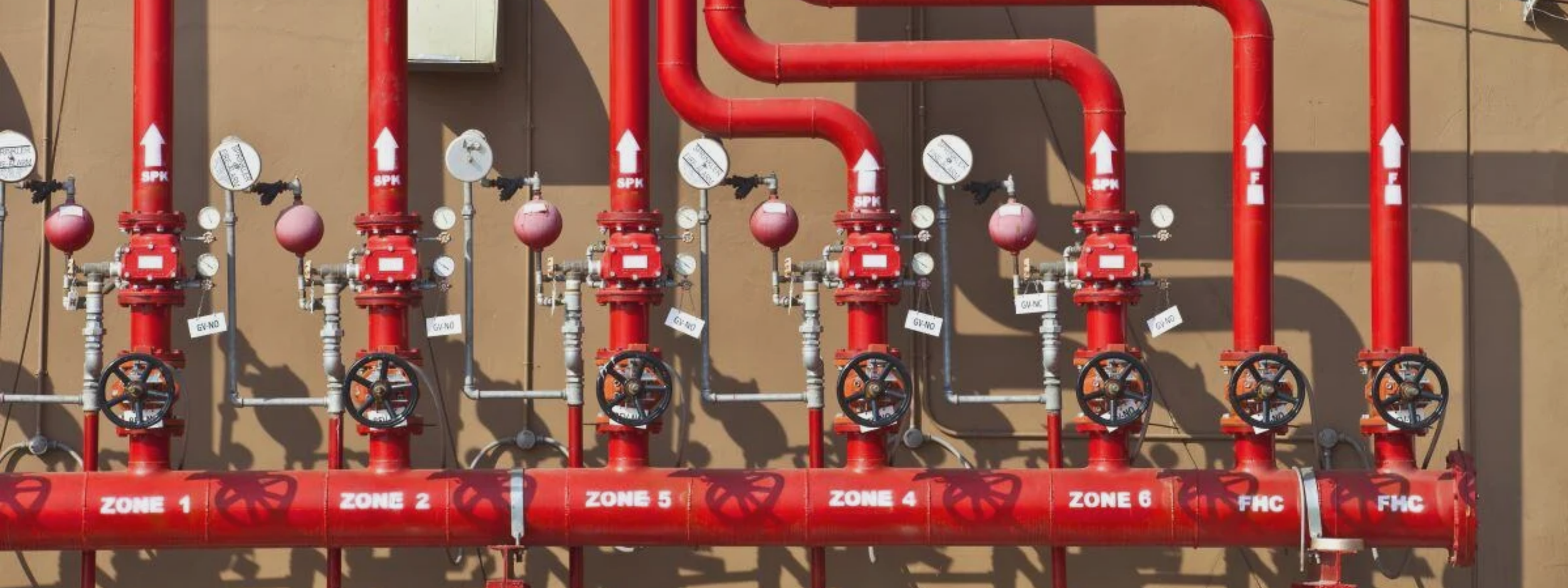
A fire sprinkler system inspection is a visual inspection of the fire sprinkler system components and their associated piping, valves, fire pumps, fire hydrants and related equipment to ensure they are in proper working order and compliant with all applicable standards and codes.
Don't be sorry. Be safe with regular inspections.
Why your fire sprinklers need regular fire inspections
Corrosion: Over time, fire sprinkler systems can experience corrosion, especially in environments with high humidity or chemical exposure. Corrosion can weaken the pipes, fittings, and sprinkler heads, leading to leaks or system failures.
Obstructions: Various obstructions, such as debris, dust, or mineral deposits, can accumulate within the fire sprinkler system. These obstructions can restrict water flow and hinder the proper functioning of sprinkler heads when activated, reducing their effectiveness in controlling fires.
Mechanical failures: Components of fire sprinkler systems, such as valves, pressure gauges, or alarm devices, can experience mechanical failures. Faulty components may result in the system not activating during a fire or not operating as intended, compromising the safety of the protected area. If this is happening to your system, your sprinklers may also need repairs.
Inadequate sprinkler coverage: Improper installation or maintenance practices can lead to inadequate sprinkler coverage. This means certain areas may not be adequately protected, leaving them vulnerable to fire damage.
Human error: Mistakes made during the installation, maintenance, or inspection processes can contribute to fire sprinkler system malfunctions. Examples of human error include improper adjustment of sprinkler heads, failure to conduct regular inspections, or neglecting necessary maintenance tasks.
Documentation issues: Fire sprinkler systems require proper documentation to ensure compliance with regulations and provide a record of maintenance and inspections. Common documentation issues include incomplete or inaccurate records, missing inspection reports, or failure to update system documentation regularly.
Hidden leaks: Some leaks in fire sprinkler systems may not be immediately visible to the naked eye. Small leaks can occur within the piping network or connections, potentially causing water damage over time. Regular inspections can help identify hidden leaks before they escalate.
Water supply problems: Fire sprinkler systems rely on an adequate and reliable water supply. Issues such as insufficient water pressure, inadequate water flow, or problems with the water source can impact the system’s effectiveness during a fire event. Regular inspections help identify any water supply problems that may hinder the system’s performance.
Here are some of the most common causes of failures in fire sprinkler systems we see and why routine inspections are critically important:
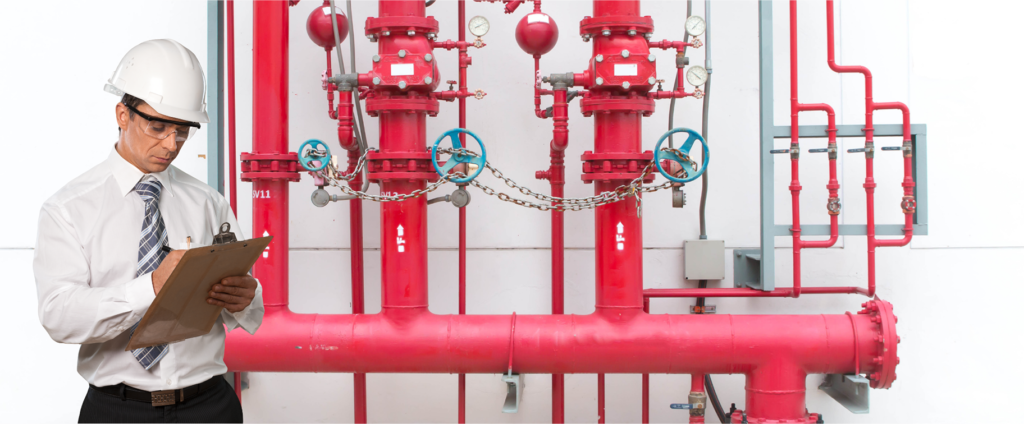
Visual inspection of all sprinkler system components for signs of damage, wear, or deterioration;
Testing of all alarms, valves, tamper switches, drains, connections and controllers to ensure proper operation;
Testing of fire sprinkler system water flows to ensure they meet the design requirements.
Examination of the water supply and pressure to ensure the system is sufficient to meet the demands of the system;
Verification of all sprinkler heads are in the proper locations and have been installed correctly;
Examination of all fire pumps, motors, and controllers to ensure proper operation;
Inspection of all hangers and supports for signs of rust, deterioration, or improper installation;
Inspection of all piping and fittings for signs of corrosion, damage, or blockages.
Whats included in a Fire Sprinkler inspection
Weekly
Monthly
Quarterly
Semi-Annually
Annually
At Peak, we adhere to the codes and standards set forth by the National Fire Protection Association (NFPA). We offer inspections on the following timeframes that comply state and local authority requirements.

Kevin designing a commercial sprinkler system using state of the art of BIM coordination software.
South Shore’s Full-Service Fire Protection Contractor
Counties we serve
Suffolk
Norfolk
Bristol
Plymouth
Barnstable
Dukes
Nantucket
