
Frequently asked Questions
-
Statistics show that property losses in residences are about 85% less in those with fire sprinklers installed compared to those without.
Average property damage per hotel or motel fire was 56% less in structures with sprinklers than in structures without sprinklers during the years 1989-1998, according to NFPA.
In addition, NFPA has no record of a fire killing more than two people in a completely sprinklered building where the system was properly operating, except in an explosion or flash fire.
-
We expect fire sprinkler systems we install to last 40 to 50 years with proper maintenance and inspection.
-
Not quite.
Fire prevention systems aim to minimize fire hazards. As an example, this can be through proper storage of combustible materials, as well as care of heating systems and electrical sockets.
Fire protection systems we install, on the other hand, aim to protect the building occupants and minimize fire damage to your building. Its goal is to provide the largest window of time for safe evacuation in the event of a fire.
There are 2 types of fire protection systems: active and passive. Fire alarms and automatic sprinkler systems are active, while how the building is designed and built, as well as materials used, is passive.
Fire protection doesn’t stop a fire from occurring like fire prevention can. Instead, it’s about reducing personal and property damage.
-
Fire sprinkler systems should always be installed in accordance with standards set by the National Fire Protection Association using approved materials. To ensure proper design, operation, and safety in your building, always use a trained and competent licensed fire protection contractor.
-
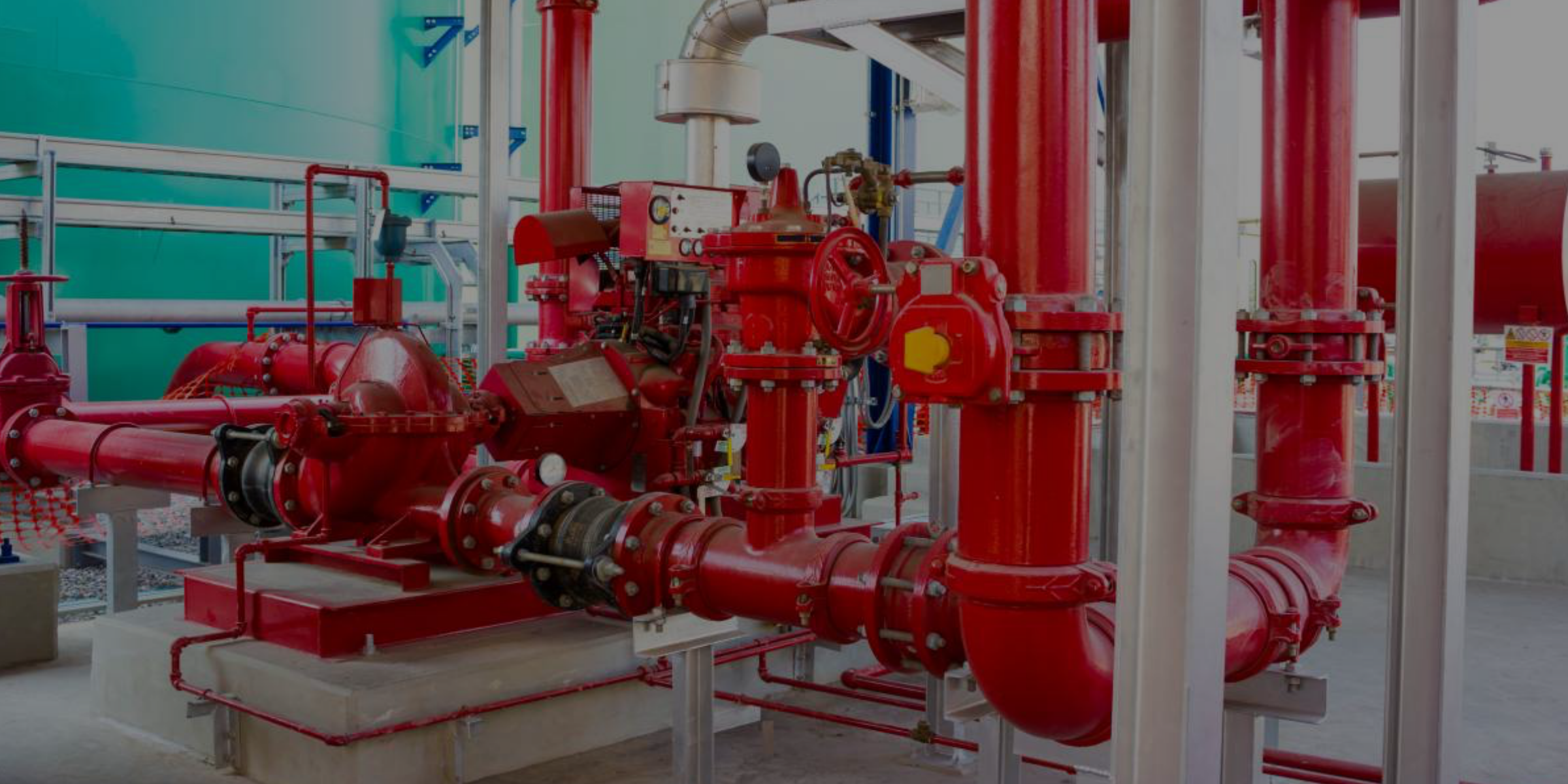
Peak provides these fire protection services in the Eastern Massachusetts Area: design and installation of automatic fire sprinklers, sprinkler inspections and mandatory tests, sprinkler repairs, hydrant and fire pump maintenance. In addition, your building’s fire alarm system should be tested regularly, and emergency lighting should be installed to facilitate evacuation from the building.
-
There’s a lot to be considered when deciding what the best fire protection system is for you and it begins with:
Assessing your building’s fire hazards
Understanding the difference in fire suppression systems and which is best for you
Knowing your facility’s requirements
Knowing the maintenance requirements of each system and what you can reasonably sustain
Planning for possible future expansion and building an expandable system
Conducting a cost-benefit analysis
Reviewing local Silicon Valley & the Bay Area regulations and learning what is required
Designing an effective fire protection plan is best left to a pro, specifically a licensed fire protection contractor. Call Peak Fire Protection. We have the experience and expertise you require to protect you and your building.